

The Future of Serviced Offices
Do businesses still need a central office? Read on to find out.
See our Q3 2023 UK Flexible Office Space Report for more up-to-date insights on the latest Flex Office Market.
The working world has changed a great deal since 2020, inside and out. The pandemic showed every business which policies are truly necessary for success and which processes were only still around because of habit. Workspaces themselves have changed. The shift to working from home in 2020 led to the rise of flexible and hybrid work arrangements that have stuck. Here's how that period changed the industry, and where serviced offices and coworking operators fit in today.
How the Pandemic Changed the Serviced Office Industry
Coworking spaces and serviced offices were a growing trend in 2019 as companies looked to the future offered by technology. These providers focus on flexibility for employees and employers alike, offering convenient office spaces to businesses of all sizes.
When the first lockdown began in March 2020, many people completely changed how they think about work. With offices closed, creativity was essential to keep businesses running.
The result was mass adoption of work-from-home habits and more flexible arrangements across the board.
In the short term, this led to coworking spaces temporarily closing their doors while they worked to find the best and safest path forward. Soon, many of these spaces reopened with extensive cleaning processes in place and reduced capacity to minimize risk.
Meanwhile, more workers than ever were not only allowed but required to work from home. Most employees were used to going to an office daily and collaborating with coworkers in-person. While they might have enjoyed the flexibility in their day that came with the freedom from commutes and cubicles, they also encountered problems.
Communication and collaboration became harder for everyone.
People without home offices felt the worst pinch when they had to either borrow office equipment from work or make do with their kitchen tables and personal laptops. These are precisely the people who flocked to serviced offices and coworking spaces as they reopened.
Since then, many coworking spaces have seen attendance grow. Why? Two reasons.
First, coworking operators run well-managed, well-maintained buildings, so people feel comfortable using the space's resources to do their job. Second, even people who at first welcomed the ability to work from home have found that they appreciate the ability to collaborate with others in person. Private coworking spaces can fulfill a need that standard offices may not be set up to serve.
What Has Changed

The most significant takeaway from 2020 is that the old model of working in a central office wasn't suitable for everyone. It lacked flexibility and restricted employers and employees alike in ways that were hard to notice until the pandemic forced a change. Many of the changes made at the time fixed those problems, while others were temporary. Here are the changes that have stuck - and some that haven't.
Working From Home
People without the equipment or space to work from home long-term will want to return to the office as soon as possible. Parents of young children and people with roommates need to get out of the house to do their job without distractions. While some employees will likely want to work from home at times, many or most of the workforce will be eager to have a dedicated workspace away from the house. The entirely home-based arrangement simply isn't what most people want from their future.
Centralized Offices
One significant change caused by the pandemic was that many businesses ended the leases on their offices. With offices standing empty, cutting the cost of maintenance and upkeep became an easy choice. These companies noticed a surprising benefit: Cutting these costs didn't seem to be impacting their bottom line. Fewer companies now maintain a single, centralised office in costly real estate markets. Instead, many have turned to decentralised and flexible offerings.
What Has Stayed
Some of the changes from that period have been for the better. Here are two that have stuck around.
Improved Safety Practices
Offices are cleaner and healthier places to work. From the upgraded ventilation many buildings installed to clean the air to the increased focus on private office space and dedicated desks, operators like Orega Serviced Offices made improvements that have lasted.
Many office spaces also give workers more elbow room than before, whether by giving each business its own floor or private office or simply by reducing hot-desking. Working hours are more flexible too, with many teams agreeing set office days rather than five days a week in the same place.
The Need for a Private Office
When neither working from home nor centralized offices provide a single successful solution, it's clear that serviced office spaces can meet a need. By offering flexible working spaces and the ability to tailor their services to each business's needs, these locations are an excellent compromise between providing flexibility and filling the need for a place to meet in person.
The Importance of Serviced Offices
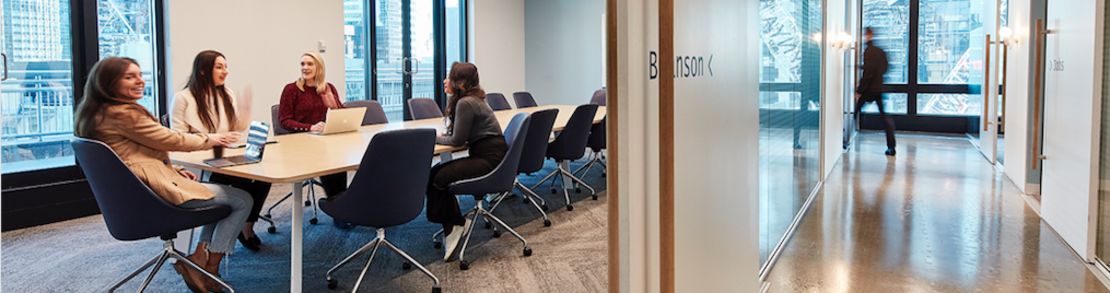
There are several reasons why serviced offices have become so important to the way we work now. These types of locations are more than just a compromise between different work styles. They offer unique benefits that are hard to find in any other kind of environment.
Collaboration
It's clear how traditional collaboration is difficult at home. When you can't talk to a coworker face to face, it's hard to brainstorm and generate ideas the same way you can in person. However, coworking spaces also encourage collaboration better than traditional offices. Without the limits of cubicles and with greater access to private meeting spaces, it's easy to collaborate more freely and more often with anyone in your company.
Connection
Coworking spaces also offer more opportunities for genuine connection, both inside the company and out. With employees working at their local sites, they make stronger connections with people in other departments who happen to live nearby. This leads to a stronger and more cohesive company culture. Meanwhile, staff can also network outside the company with other people who occupy the same serviced office. This can help a company create synergies and potentially valuable leads with other businesses.
Cost
The most direct benefit of using a serviced office is simple: money. These arrangements are an elegant cost-saving measure in the long term - not just right now. With flexible leases, a company needs to pay for space only when and where it needs it. If a business experiences a busy season, it can reserve more space and then release it during slower times. Even if every single employee is brought back into the office full-time during the busiest months, the ability to flex over time can help navigate any future challenges that might arise.
Serviced Offices and the Future of Work
Many industries are waking up to the benefits of serviced offices and coworking spaces, and that trend shows no sign of stopping. With teams meeting in person again, serviced offices bridge the gap between traditional offices and flexible work. Employees who prefer social work environments can interact with a wide variety of people. Meanwhile, those who like to work from home will still have an option to get out of the house. Either way, companies can save money and remain flexible by keeping only the space they need. Furthermore, coworking operators have seen how successful their tailored offerings have been. They will continue to provide flexible leases and customized solutions to companies. While needs will keep changing, serviced offices will continue to support businesses as they work out what suits them best.
Serviced Offices Are Here to Stay
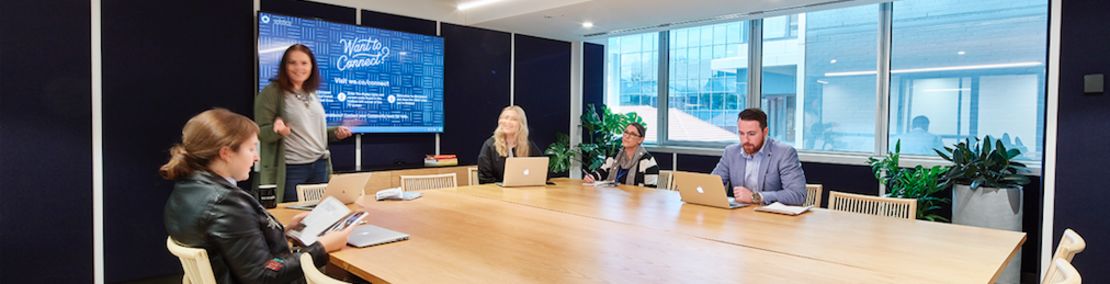
The pandemic changed many things, but not everything. It's clear that convenient, flexible coworking spaces and serviced offices are here to stay, offering the right combination of flexibility, convenience, and collaboration for many businesses. Take advantage of the way work has changed, and embrace serviced offices. You may want to cut the costs of maintaining an office, or your staff might enjoy the flexibility of working when and where they want. Either way, a serviced office space can help you make the most of your resources. From a single desk for a freelancer to an entire floor for your growing company, you can find the right setup with Rubberdesk.
Local market experts with you every step of the way.
As specialist brokers in the flexible office market, Rubberdesk is across all the options, offers and availability. We have real time pricing for thousands of spaces listed by hundreds of providers to help find your next office.
It's EASY, FAST and FREE to use Rubberdesk.
Start by telling us what you need.
We'll give you a call back with a bespoke shortlist of options to discuss.
Or give the experts a call +44 (0)800 699 0655
Frequently Asked Questions
What are the benefits of Flexible Office Space?
Serviced office space offers far lower capital hurdles and less liabilities than traditional leased space, freeing up the balance sheet. Additionally, the choice is not binary between employees either working from home or in a central head office. There are more options available to remote workers that keep them productive closer to home, without a long commute.
What Is a Coworking Space?
Coworking spaces target individuals and small teams who need workspaces but are willing - and in many cases, actively want - to share. They usually work on a membership model, meaning that tenants pay a certain amount per month for access. Members can rent a dedicated desk, meaning they get the same space every time they come in, or choose a flexible plan that lets them use any available “hot desk” in the room. There may also be options for private offices, depending on the provider.
What is the difference between a coworking space and a serviced office?
Though there are many similarities between a coworking space and serviced office such as managed facilities and meeting rooms, they tend to differ in style and fitouts. Coworking spaces tend to be a but more stylish and contemporary while serviced offices tend to be more corporate and upscale.
