

1,080 office spaces to rent in City of London
Across 319 buildings from 59 operators, plus 1 coworking desk. Median private office £720 per desk per month (London median £517), October 2026.

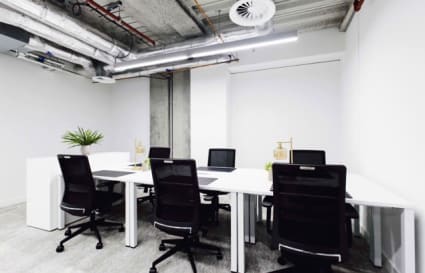


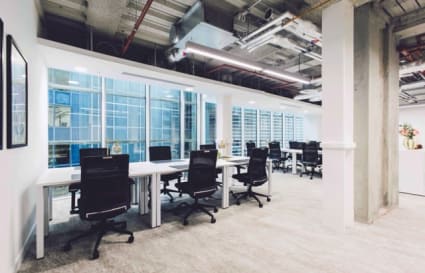
19 Person External Private Office | 753 Sq. Ft.
12, 1 Ropemaker Street Moorgate, EC2Y


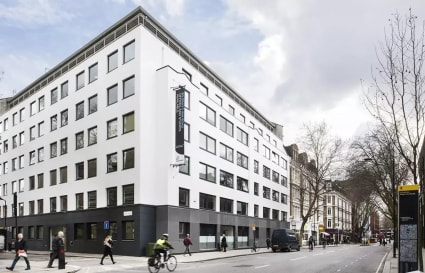

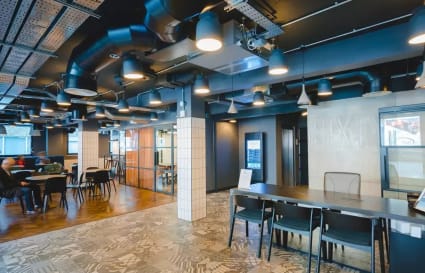
4 Person Private Office | 305 Sq. Ft.
Level 2, 60 Grays Inn Road Chancery Lane, WC1X
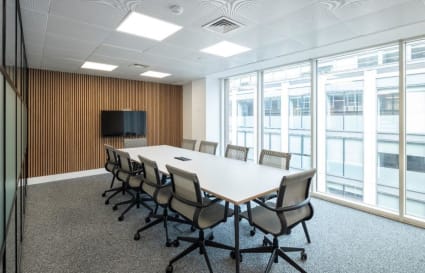


12 Person Managed Office | 819 Sq. Ft.
10 Lloyd's Avenue Fenchurch Street, EC3N

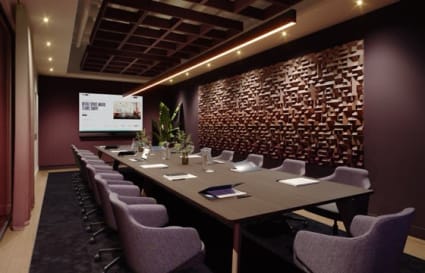

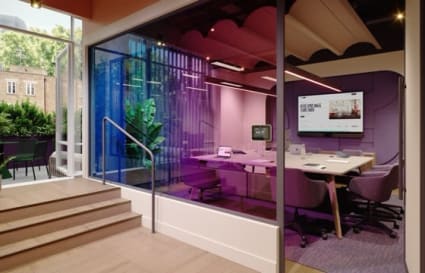
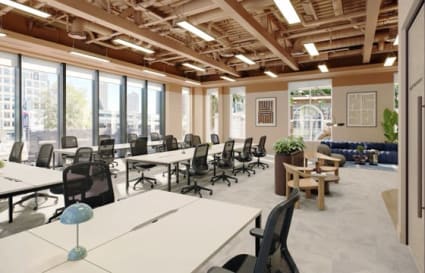
Private Office for up to 42 People | 1,602 Sq. Ft.
20, Level 1, 200 Aldersgate Street St Paul's, EC1A
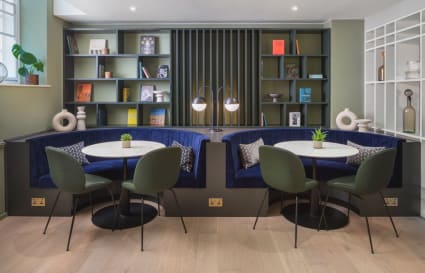
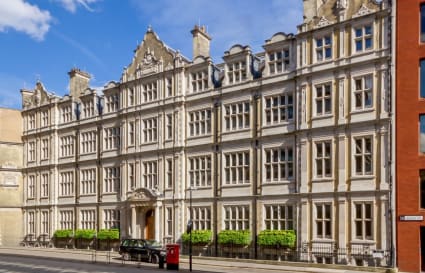
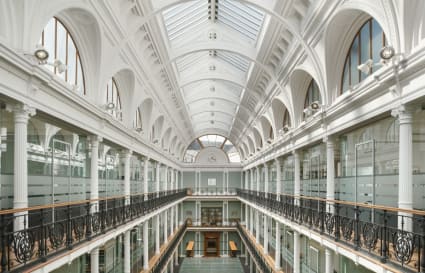

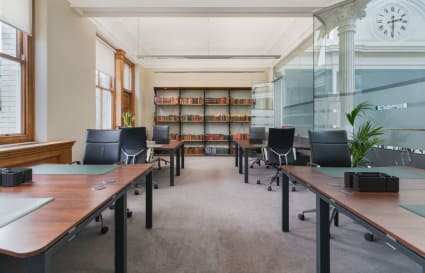
3 Person Private Office | 175 Sq. Ft.
2.27, Level 2, Central Court, 25 Southampton Buildings Chancery Lane, WC2A


20 Person Private Office | 634 Sq. Ft.
9 Saint Andrew Street Fleet Street, EC4A


3 Person Private Office in London | 136 sqft
Pavilion City 27 Bush Lane Cannon Street, EC4R

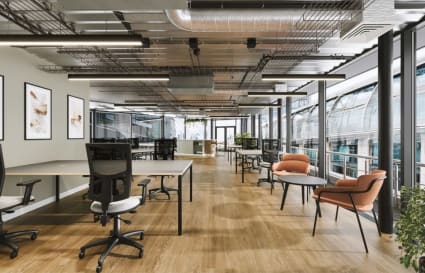
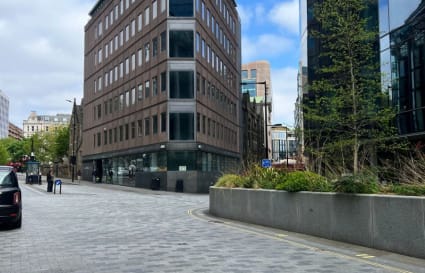
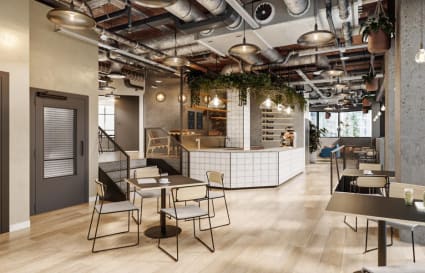
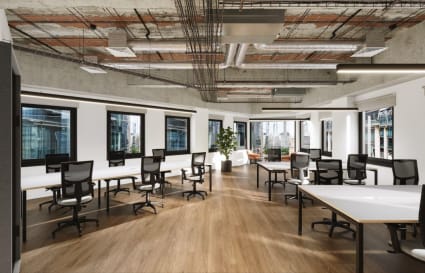
8 Person Private Office | 328 Sq. Ft.
9 Saint Andrew Street Fleet Street, EC4A


7 Person Private Office | 280 Sq. Ft.
209, 70 Gracechurch Street Bank, EC3V
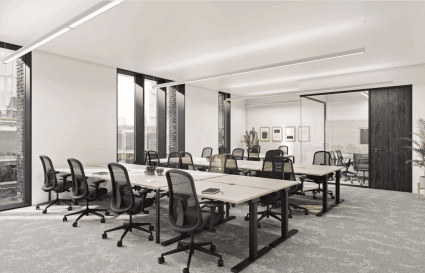


7 Person Private Office | 295 Sq. Ft.
11, Level 2, 77 Coleman Street Moorgate, EC2R
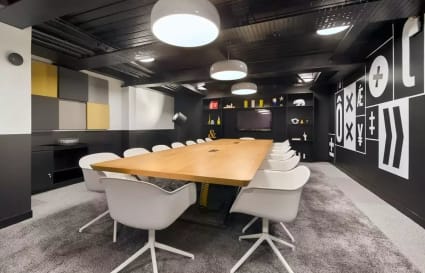

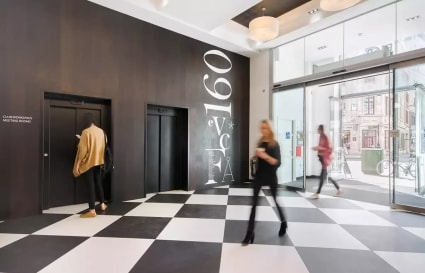
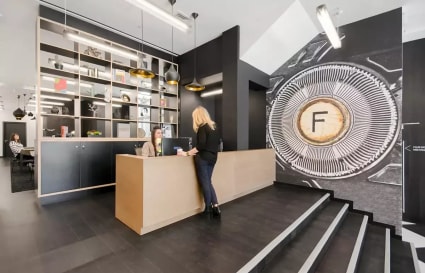
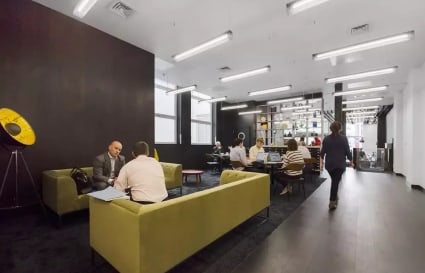
8 Person Private Office in London | 646 sq ft
Level 1, Workspace Fleet Street 154-160 Fleet Street Fleet Street, EC4A


External Self-Contained Office for up to 54 People with 3 Meeting Rooms | 3,384 sqft
40 Leadenhall Street Fenchurch Street, EC3A



Private Office for up to 21 People | 601 Sq. Ft.
01-112, 33 Queen Street Place Cannon Street, EC4R
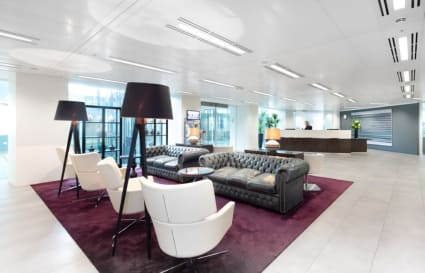


35 Person Private Office with 2 Meeting Rooms | 1,212 Sq. Ft.
817, 818, 819, 820, 125 Old Broad Street Bank, EC2N


Private Office for 2 People | 63 Sq. Ft.
04-123, 8 Devonshire Square Liverpool Street, EC2M


Private Office for up to 13 People
Temple Chambers, 3-7 Temple Avenue Fleet Street, EC4Y


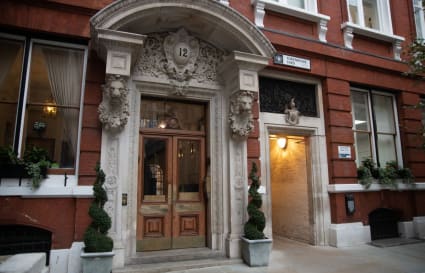
5 Person Private Office | 237 Sq. Ft.
Secret Room, 11-12 Tokenhouse Yard Bank, EC2R


17 Person Private Office | 503 Sq. Ft.
08-114, 8 Devonshire Square Liverpool Street, EC2M
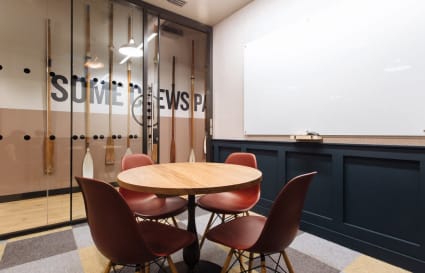
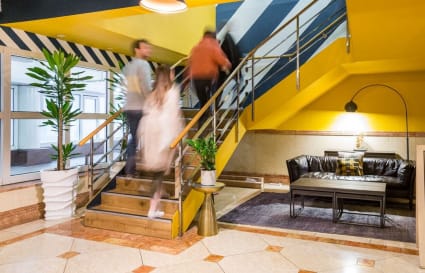
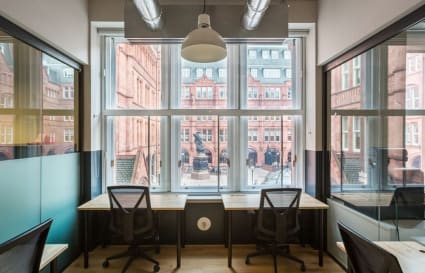
2 Person Private Office | 71 Sq. Ft.
037, Level 1, 3 Waterhouse Square 138-142 Holborn Chancery Lane, EC1N


21 Person External Private Office with 2 Meeting Rooms in London | 742 Sq. Ft.
18-03, 18-04, 110 Bishopsgate Liverpool Street, EC2N
Office space in the City of London
Rubberdesk lists 1,080 offices to rent in the City of London, the Square Mile, across more than 200 buildings. As of October 2026, the median private office costs £720 per desk per month against £517 across London, a premium of roughly a quarter for the densest concentration of flexible workspace in the country: 25,706 desks inside one square mile, almost all of them a few minutes from a mainline terminus.
City of London office space cost summary
| Median private office, per desk per month | £720 |
| Offices and desks listed | 1,080 |
| Desk capacity across those listings | 25,706 |
From live Rubberdesk listings as at October 2026.
What a desk costs by area and office size
Rates move with the size of office as well as the postcode, and not always in the direction people expect: a small suite often costs less per desk than a whole floor, because the larger spaces sit in the newer towers.
| Location | 1-4 Desks | 5-10 Desks | 11-15 Desks | 16-25 Desks | 26-50 Desks | 50+ Desks |
|---|---|---|---|---|---|---|
| Liverpool Street | £710 | £734 | £812 | £850 | £895 | £1,037 |
| Moorgate | £750 | £748 | £826 | £760 | £816 | £1,024 |
| Bank | £839 | £810 | £1,046 | £978 | £1,010 | £970 |
| Fenchurch Street | £814 | £709 | £746 | £887 | £903 | £1,100 |
| St Paul's | £726 | £690 | £690 | £690 | £690 | £980 |
| Chancery Lane | £657 | £660 | £570 | £792 | £678 | £666 |
| Cannon Street | £720 | £705 | £766 | £884 | £770 | £1,040 |
| Blackfriars | £679 | £594 | £644 | £525 | £686 | £1,615 |
| Fleet Street | £550 | £580 | £536 | £597 | £1,314 | £1,069 |
| Aldgate | £493 | £492 | £478 | £563 | £675 | £602 |
| Tower Hill | £672 | £350 | £341 | £587 | £564 | £657 |
Median rate per desk per month. Source Rubberdesk, October 2026.
How City of London rates have moved
Areas in the City of London
The spread across the Square Mile is wider than its size suggests, and the whole of it is inside a twenty minute walk. Moving two streets east is usually worth more to a budget than moving out of the City altogether.
- Liverpool Street is the dearest at £768 per desk, and the busiest interchange in the City
- Moorgate at £760, with the deepest supply of large floors
- Bank at £915, the centre of the Square Mile
- Fenchurch Street at £739, for Essex and Kent commuters
- St Paul's at £690
- Chancery Lane at £659, on the legal side of the City
- Cannon Street at £697
- Blackfriars at £594, on the river
- Fleet Street at £580
- Aldgate at £541, on the Shoreditch fringe
- Tower Hill at £438, the cheapest doorway into the Square Mile
Getting to work in the City
The City is the best connected square mile in Britain, and which station you sit near matters more than which street. Liverpool Street carries the Elizabeth line, Central, Circle, Metropolitan and Hammersmith & City, plus West Anglia and Stansted services. Bank and Moorgate sit at the centre for the Northern, Central, Waterloo & City and Thameslink lines. Cannon Street and Fenchurch Street serve Kent and Essex, and Blackfriars picks up Thameslink from north and south. If your team arrives from several directions, an office near Bank or Moorgate splits the difference better than one at either end.
We track what an office costs along each line, so you can trade a few minutes of commute against the rate:
- Circle line office prices
- Central line office rents
- Elizabeth line office prices
- Northern line office prices
- Metropolitan line office rents
The whole Square Mile sits inside the Congestion Charge zone and the Ultra Low Emission Zone, so almost nobody drives in. That shapes what the buildings provide: around 70% of City offices listed here have bike racks and the same share have private showers, both well above the London average, and 85% offer 24 hour access for people travelling outside the rush. If your team genuinely needs to drive, East London and South London are the better hunting grounds.
Serviced and managed offices in the City of London: what is included
Almost everything listed to let in the City of London is serviced or managed space, so the monthly figure is close to all-in. A City serviced office is let on a single monthly licence that normally covers rent, business rates, service charge, utilities, high speed internet, furniture, cleaning, building security, staffed reception and shared kitchens. Across the offices listed here, 93% include meeting rooms, 89% are air conditioned, 88% arrive furnished and 85% offer 24 hour access, so those are safe to assume rather than negotiate. Outdoor space is the real differentiator: only 40% of City offices have any, so say early if a terrace matters.
Managed offices in the City of London, a whole floor fitted to your brief on a two or three year term, are the second largest category listed here after serviced suites, and the usual route for a team of twenty or more. Shared office space in the City of London is rarer than in the West End; what there is sits on the City of London coworking page.
Guides and comparisons
- City of London office space price guide, the full breakdown behind the figures above
- London flexible office market report, updated every quarter
- The top 7 serviced offices in the City of London
- The top 6 serviced offices in Holborn
- Serviced offices compared with coworking
- Finding the right ten person office in London
- Letting a five person office in London
- How much does it cost to rent an office in London?
- Where to find an office on the Underground for an easy commute
We know flex
Tell us your team size, budget and the stations that matter, and we will shortlist the offices in the City of London that actually fit, arrange the viewings and negotiate on your behalf. There is no charge to you.
Check out our reviews: 
City of London office price guide - how these rates have moved, and how they break down by area, office size and operator.
Office space in City of London: your questions answered
How much does a private office cost in the City of London?
As of October 2026, the median private office in the City of London costs £720 per desk per month, against £517 across London as a whole. The City carries a premium of roughly a quarter over the London median, and you are paying for density: 25,706 desks inside one square mile, most of them a few minutes from a mainline terminus. That rate is all-in. It normally covers rent, business rates, service charge, utilities, internet, furniture, cleaning and reception, so a team of ten should budget about ten times the per-desk figure with no separate bills. Figures come from live listings and are refreshed weekly; the City of London price guide breaks them down further.
Which parts of the City of London are cheapest for office space?
The eastern and riverside edges. Tower Hill is the cheapest doorway into the Square Mile at £438 per desk, followed by Aldgate at £541, Fleet Street at £580 and Blackfriars at £594. At the other end, Liverpool Street runs to £768 and Moorgate to £760. The whole spread sits within a twenty-minute walk, so moving two streets east is usually worth more to a budget than moving out of the City altogether.
Can I rent a small private office in the City of London?
Yes - single-desk offices upwards. Offices here run from a single desk to around 1,200, and small suites are the commonest size on the market rather than the exception. A one-to-four person private office in a serviced building gives you a lockable room, your own door and a business address in EC, with reception, meeting rooms and kitchens shared across the floor. Because the licence is per desk per month, a two-person office costs roughly twice the per-desk rate and nothing else. Terms start at one month. Tell us your headcount and budget and we will shortlist what is genuinely available this week - there is no charge to you.
Which City of London station should I look near?
It depends which line your team arrives on, and in the Square Mile you are rarely more than a few minutes from a choice. Liverpool Street is the busiest anchor and carries the Elizabeth line, Central, Circle, Metropolitan and Hammersmith & City, plus West Anglia and Stansted services. Bank and Moorgate sit at the centre for Northern, Central, Waterloo & City and Thameslink. Cannon Street and Fenchurch Street serve Kent and Essex commuters, and Barbican and Blackfriars pick up Thameslink from the north and south. If people come in from several directions, an office near Bank or Moorgate splits the difference better than one at either end.
Is the City of London inside the Congestion Charge zone?
Yes - the whole Square Mile sits inside the Congestion Charge zone and the Ultra Low Emission Zone, so driving in costs a daily charge on top of parking, which is scarce and expensive. In practice almost nobody commutes to a City office by car, and that shapes what buildings provide: around 70% of City offices on Rubberdesk have bike racks and the same share have private showers, well above the London average, and 85% offer 24-hour access for people travelling outside the rush. If your team genuinely needs to drive in, look at East London or South London instead, where parking is common and rates are materially lower.
What is included in a City of London serviced office?
Almost everything you would otherwise buy separately. The monthly fee normally covers rent, business rates, service charge, utilities, high-speed internet, furniture, cleaning, building security, staffed reception and shared kitchens and breakout space. Across the City's listings, 93% include meeting rooms, 89% are air conditioned, 88% come furnished and 85% offer 24-hour access, so those are safe to assume rather than negotiate. What to check before signing: meeting-room allowance and the hourly rate beyond it, printing, whether IT support and phone lines are extra, and the deposit, which is typically one to two months. Outdoor space is the real differentiator here - only 40% of City offices have any, so say early if a terrace matters.
Should I take a serviced or a managed office in the City?
Serviced below about twenty people, managed above it. A serviced office is a furnished private room inside a shared, staffed building on a single monthly licence, with terms from one month and nothing to fit out - the right answer for a team that may be a different size in a year. A managed office is a self-contained floor that an operator fits out to your brief and runs for you, still on one bill, but typically on a twelve to thirty-six month term. The City holds more than 200 flexible buildings run by around 60 operators, so both are genuinely available at most sizes. Neither is a lease: no rent reviews, no dilapidations, no separate rates bill.
How quickly can I move into a City of London office?
Faster than most people expect. A serviced office in the City can be occupied within a few days of agreeing terms, because the space is already furnished, connected and staffed - a week or two is typical once the licence and deposit are done. Managed offices take longer, usually four to twelve weeks, because the operator fits the floor out for you first. The constraint is rarely the building; it is how quickly you can decide. The quickest route is to tell us team size, budget and which stations matter: we shortlist what is available now, arrange viewings back to back, and negotiate on your behalf at no cost to you.
Is the City of London or the West End better value?
The City, by a clear margin, if you are comparing like for like. A private office desk costs £720 a month in the City against £988 in Mayfair and £766 in Soho, and City buildings are typically larger, newer and better connected to the commuter lines. The West End wins on street life and on proximity to clients in media, retail and private capital. If neither the premium nor the postcode is the point, East London averages £429 and is two stops away on the Elizabeth line.
